Category Archives: Parenting

Parent Power: How to Advocate for Your 2- to 5-Year-Old When Something Feels Different

Parent Power: How to Advocate for Your 2- to 5-Year-Old When Something Feels Different

As a parent, you know your child in a way no one else does. You know their sounds, their facial expressions, their routines, their likes, their dislikes, and the little changes that others may not notice. Sometimes, deep inside, a parent begins to feel that something is different.

Maybe your child is not speaking as much as other children their age. Maybe they become very upset with certain sounds, textures, or changes in routine. Maybe they have difficulty playing with other children, following directions, calming down, or expressing what they need. Maybe family members tell you, “They will grow out of it,” but your heart still feels concerned.

Parent Power begins when you trust what you are noticing.

Advocating for your 2- to 5-year-old does not mean something is wrong with your child. It means you are paying attention. It means you are choosing to seek understanding, support, and early help if needed. Advocacy is not about fear. Advocacy is about love, awareness, and action.

Trust Your Instincts

Many parents notice concerns before anyone else does. You may see things at home that a doctor, teacher, or family member may not see during a short visit. That is why your voice matters.If you feel that your child is struggling with speech, behavior, social interaction, movement, sensory needs, or daily routines, do not ignore that feeling. You do not need to have all the answers before asking for help. You only need to be willing to ask questions.

A powerful first step is simply saying:

“I am noticing some things about my child, and I would like to understand what support may be helpful.”

That one sentence can open the door to conversations, screenings, evaluations, and services that may help your child grow.

Write Down What You Notice

When something feels different, begin writing it down. This helps you explain your concerns clearly when speaking with doctors, teachers, therapists, or early childhood providers.

You may want to write down:

  • What your child is doing
  • When it happens
  • How often does it happen
  • What seems to trigger the behavior
  • What helps your child calm down
  • What does your child do well
  • What concerns you the most

For example, instead of saying: My child does not listen,” you can say, “When I give my child a two-step direction, such as ‘pick up your shoes and put them by the door,’ they often seem confused and do not complete the task.”

That kind of information is helpful because it gives professionals a clearer picture of what your child may need.

Ask Questions Early

Some parents wait because they are afraid of labels. Others wait because they hope the concern will resolve on its own. While every child develops at their own pace, early support can make a meaningful difference.

If your child needs help, the earlier you ask questions, the earlier your child can receive support. Asking questions does not mean you are accepting a diagnosis. It means you are gathering information.

You can ask your child’s pediatrician:

“Do you think my child needs a developmental screening?”

“Should we consider a speech, occupational therapy, physical therapy, or behavioral evaluation?”

“What signs should I continue to watch for?”

“What can I do at home to support my child?”

You can ask your child’s preschool or daycare provider:

“What are you noticing during playtime, transitions, meals, or group activities?”

“Is my child communicating their needs?”

“How does my child interact with other children?”

“Are there areas where my child may need extra support?”

Do Not Let Fear Silence You

It is normal to feel nervous, emotional, or even overwhelmed when you think your child may need extra support. However, silence does not serve your child. Your voice is one of the most powerful tools your child has.

You do not have to be loud to advocate. You do not have to be angry. You do not have to know every professional term. You can be calm, respectful, and firm.

Advocacy sounds like:

“I would like this concern documented.”

“Please explain that to me in simple terms.”

“What are the next steps?”

“When should we follow up?”

“Can I have that in writing?”

These questions help you stay informed and help others understand that you are serious about your child’s needs.

Celebrate Your Child’s Strengths

While advocating, remember to see the whole child. Your child is not a concern, a delay, a behavior, or a diagnosis. Your child is a blessing with strengths, personality, purpose, and potential.

As you seek support, also write down what your child does well. Maybe your child loves music. Maybe they enjoy building, dancing, running, sorting, laughing, hugging, or observing. These strengths matter. They can become powerful tools for learning and growth.

Advocacy is not only about identifying needs. It is also about helping others see your child’s gifts.

You Are Your Child’s First Advocate

Parents are often their child’s first teacher, first protector, and first advocate. When your child is between the ages of 2 and 5, they may not yet have the words to explain what they need. That is why your voice is so important.

You are not overreacting when you ask questions. You are not being difficult when you request support. You are not being negative when you name a concern. You are being a loving parent who wants your child to receive what they need to thrive.

Parent Power is not about knowing everything.

Parent Power is about noticing, asking, documenting, following up, and believing that your child deserves support.

If something feels different, trust yourself enough to take the next step. Ask the question. Make the appointment. Write the concern down. Request the screening. Follow up.

Your child’s journey may require patience, faith, and support, but you do not have to walk it alone.

As a Parent Life Coach, I help parents organize their concerns, prepare for important conversations, and move forward with confidence, grace, and purpose.

If you are a parent seeking guidance for your young child or teenager, I invite you to schedule a FREE 20-minute Life Coaching Session. Together, we can create a plan that supports your child, strengthens your voice, and brings peace to your parenting journey.

Coach Arthur
Certified Professional Life Coach

https://www.facebook.com/Niecatlifecoach

http://www.niecatlifecoaching.com
http://www.niecat.com


#lifecoach #lifecoaching #ParentLifeCoaching #TeenLifeCoaching #GODBless

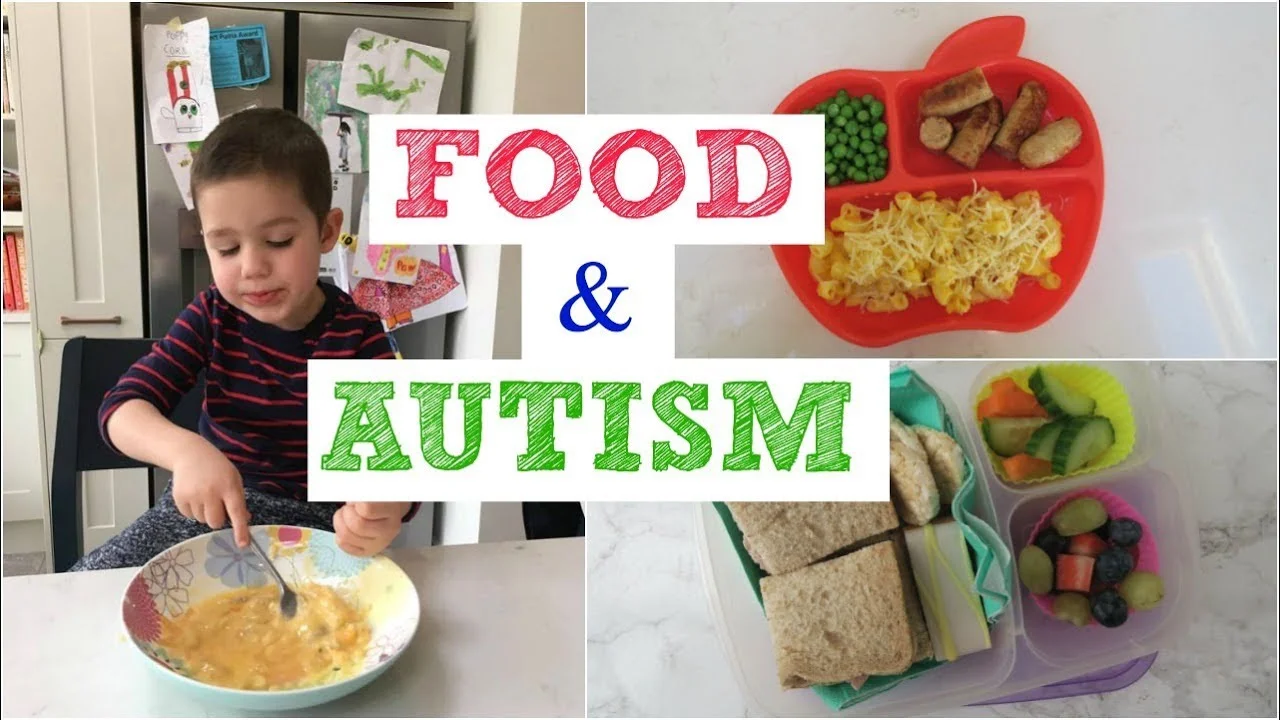
Small Steps, Big Gains: Introducing Foods for Autism-Friendly Brain Health

April is Autism and Disability Awareness Month, a time to deepen our understanding of how we can support children with unique abilities. One important and often overlooked topic is food and nutrition, particularly how food affects brain development and behavior in children with autism.

Many children on the autism spectrum experience food sensitivities, sensory challenges, and restricted eating habits. Understanding this can help parents introduce foods in a way that supports both nutrition and emotional comfort.

Why Nutrition Matters for Brain Development

The brain needs consistent nutrients to function well. Certain foods support:

• focus and attention
• emotional regulation
• cognitive development
• energy levels
• healthy sleep patterns

For children with autism, nutrition can sometimes influence sensory regulation and behavior, which is why thoughtful food introduction becomes important.

Foods that commonly support brain health include:

• foods rich in Omega-3 fatty acids (such as fish, flax seeds)
• protein sources that stabilize energy levels
• fruits and vegetables rich in antioxidants
• whole grains that support steady blood sugar

Parents should always consult their pediatrician or nutrition professional when making dietary changes.

Understanding Food Sensitivities in Autism

Many children with autism experience sensory sensitivities that affect eating.

These sensitivities may include:

• texture (soft, crunchy, mixed foods)
• smell
• color
• temperature
• appearance of food on the plate

For example, a child may only eat foods that are one specific color or texture. This is not stubborn; it is often a sensory processing difference.

Some children may also have digestive sensitivities, which can make certain foods uncomfortable to eat.

Understanding these sensitivities helps parents approach meals with patience and strategy rather than pressure.

Strategies to Introduce New Foods

1. Start Small

Introduce very small portions of a new food next to a familiar favorite food. The goal at first is exposure, not consumption.

2. Use Visual Exposure

Let the child see, touch, and explore the food before expecting them to eat it.

3. Respect Texture Preferences

If a child prefers crunchy foods, begin with new foods that are also crunchy.

4. Model the Behavior

Children learn through observation. When parents eat the same foods calmly and happily, children often become more curious.

5. Keep a Predictable Routine

Serving meals at consistent times helps children feel safe and reduces anxiety around food.

A Gentle Reminder for Parents

Parents of children with autism are often navigating many therapies and appointments. Mealtime should not become another stressful task.

Progress may be slow, and that is completely acceptable.

Supporting children with autism means recognizing their unique sensory experiences and developmental needs.

Food can be more than nutrition. It can become a tool for brain development, comfort, and growth when introduced thoughtfully.

During Autism and Disability Awareness Month, let us continue learning ways to support children with compassion, patience, and understanding.

Miriam CARLOTA Arthur-Sullivan

Founder & Preschool Director

NieCat Blessings Academy

A Preschool & Therapeutic Center

for Children with Unique Abilities 

www.niecat@niecatnfe.org

Office: (833) 230–9366

www.niecatblessingsnfe.org

5 Signs Your Teen Needs More Than Just “Good Advice,” They Need a Life Coach

Parenting a teenager can feel like living on a roller coaster. One day your teen is talkative and hopeful; the next day, they are silent, irritable, or overwhelmed. You give them your very best advice, you share your own experiences, you remind them of what they “should” do… and still, nothing seems to change.

Sometimes, it is not that your advice is wrong. It is that your teen needs a different kind of support; the kind a neutral, trained Life Coach can provide.

Below are five common signs that your teen may need more than just “good advice.”

1. Your Teen Has Started to Shut Down

You notice your teen:

  • Answers with “I’m fine” or “I don’t know” to almost everything
  • Spends more and more time alone in their room
  • Avoids family conversations or eye contact

Parents often feel this as a wall. You try to talk, they shut down. You push a little more, they pull away further.

A Life Coach gives your teen a safe, neutral space where there is no judgment, no punishment, and no “parent history.” This often makes it easier for teens to open up, be honest about their thoughts, and explore what they are truly feeling.

2. Anger Shows Up Quickly and Strongly

Some teens do not shut down; they explode.

  • Frequent arguments over small issues
  • Doors slamming, yelling, or sarcastic comments
  • Anger that seems bigger than the situation

Often, this anger covers up fear, confusion, stress, or sadness. Parents may respond with discipline, lectures, or trying to “fix it,” which can unintentionally make the teen feel misunderstood.

A Life Coach helps teens learn to recognize their triggers, put words to their emotions, and practice tools to manage anger in healthier ways. Instead of just saying “calm down,” coaching teaches how to calm down.

3. School Is Becoming a Battle

You see worrying changes such as:

  • Dropping grades or missing assignments
  • Avoiding homework until the last minute
  • Increased complaints about teachers or classmates
  • Skipping classes or wanting to stay home frequently

Parents often respond with consequences, such as no phone, no outings, and more rules. While structure is important, many teens are struggling with motivation, focus, organization, or self-belief—not just “laziness.”

A Life Coach works with teens to:

  • Break big tasks into manageable steps
  • Create simple routines and systems for homework
  • Build confidence by setting and reaching small academic goals
  • Talk through school stress, peer pressure, and performance anxiety

This turns school from a constant fight into a place where your teen can regain a sense of control.

Here are the first three tips out of five to help you support and empower your teen. If you would like to receive the remaining two tips, please send an email to niecatlifecoach@yahoo.com, and I will be happy to share them with you so you can continue to strengthen your relationship and your teen’s confidence.

Schedule a FREE 20-Minute Session

If you feel that your teen needs more than another lecture or “good advice,” you do not have to figure it out alone.

I offer a FREE 20-minute Teen Life Coaching session (for you, or for you and your teen together) to:

  • Talk about what is happening right now
  • See whether coaching is a good fit
  • Ask any questions you may have about the process

To schedule your free session, simply reach out through the contact options on my blog and mention “Teen Life Coaching.” Together, we can help your teen feel heard, supported, and ready to move forward with confidence.

Coach Arthur
Certified Professional Life Coach

http://www.niecatlifecoaching.com
http://www.niecat.com

Showing Gratefulness in November with Your Little One

November is a wonderful time to slow down, reflect, and teach our little ones about gratitude. For parents of 3- and 4-year-olds with unique abilities, expressing gratitude can be both meaningful and developmental. Gratitude not only builds emotional awareness but also strengthens communication and connection within the family.

At NieCat Blessings Academy, we believe every moment can be a learning opportunity, especially moments filled with love and thankfulness. Below is an exercise to create gratitude in the hearts of Little Ones!

Speech Therapy Activity: “Gratitude Words Jar”

Objective: To build expressive language and emotional vocabulary.
What You Need:

A small jar or box

Colorful slips of paper

Markers or stickers

How to Do It:

Each day in November, help your child think of one thing they are thankful for.

Write their word or phrase on a piece of paper—e.g., “Mommy,” “music,” or “my teddy.”

Say the word together, repeating it slowly to emphasize sounds (“M-m-mommy”).

Encourage your child to describe why they are thankful (“Mommy hugs me!”).

Drop the paper into the jar.

At the end of the month, open the jar and read them aloud as a family. This supports speech articulation, emotional expression, and memory recall.

At NieCat Blessings Academy, we celebrate gratitude as a daily practice that strengthens speech, connection, and love. As you and your little one fill your Gratitude Words Jar, remember that every thankful word builds confidence and joy.

Join our growing community of parents who believe in nurturing both learning and love through everyday moments by joining our waiting list: https://lp.constantcontactpages.com/sl/BGRQUTh/NieCatBlessingsAcademy

Visit: www.niecatblessingsnfe.org
Email: niecat@niecatnfe.org
Phone: (833) 230-9666

Miriam CARLOTA Sullivan

Founder & Preschool Director

NieCat Blessings Academy

A Preschool & Therapeutic Center

for Children with Special Needs

#niecatblessingsacademy #ParentSupport #UniqueAbilities #EarlyIntervention #SpeechTherapyAtHome #GratitudeMonth #Miami #InclusionMatters #SupportAutism

Protecting and Nurturing Your Child’s Love of Learning

You can feel it when it happens: the shift from endless “why?” questions to quiet disinterest. The spark dims. Not because kids lose curiosity—but because the world piles on distractions, comparisons, and deadlines. But here’s the secret nobody says out loud: the love of learning isn’t fragile. It just needs to be fed consistently and in the right rhythm. You don’t need perfect tools. You just need habits that speak the language of wonder.

Play Together
Children learn through movement, messes, and mystery. When you play with them, genuinely, without half-scrolling, you signal that curiosity matters. Simple games, role-play, or even building pillow forts together can unlock laughter and logic at the same time. Play isn’t filler; it’s formative. Shared play boosts communication and bonding, especially when parents are fully present. You don’t need a plan—just your time, and your willingness to lose track of it.

Ask Open Questions
Replace answers with more questions. When your child tells you something wild, like, “I think clouds are animals,” do not correct them. Ask: “Which one?” Then ask again. You’re not quizzing them. You’re showing that their thoughts are worth unpacking. That instinct trains the brain to love thinking, not just knowing. The right kind of question prompts deeper creative thinking, helping kids develop confidence in their ability to explore uncertainty.

Create AI Art Together
Creativity tools can serve as flashlights into your child’s inner world. An AI painting generator in modern art lets kids use simple text prompts to turn their thoughts into color, form, and visual metaphors, there is no training required. It’s not about screen time; it’s about screen purpose. When a parent and child co-create a digital painting from a sentence or idea, they’re not just “making art.” They’re practicing clarity, collaboration, and confidence in the value of their voice.

Explore Outdoors
The world outside isn’t a backdrop, it’s a teacher. Trees aren’t just trees; they’re climbing puzzles, breathing diagrams, and subjects of impromptu science class. Kids need physical space to daydream and to test limits. When they’re out there, imagination gets louder. Outdoor time nurtures imagination in ways that screens never replicate. No lectures needed, just boots, bugs, and questions with no right answer.

Become a Learning Role Model
When parents prioritize their own education, it changes the air in the house. It shows kids that learning doesn’t end at high school or even at college. Parents enrolled in advanced programs are modeling what it looks like to stretch, stumble, and grow as an adult. Notably, exploring a master’s in nursing allows you to boost your income by learning advanced nursing practices. This isn’t just a career move, it’s a household message that growth is ongoing.

Read Every Night
The best conversations often start when the lights go off. Reading together builds vocabulary, yes but it also teaches rhythm, empathy, and attention span. It teaches kids to sit inside a story without skipping to the end. You don’t need curated lists or perfect pacing. Just consistency. Shared bedtime stories enhance language and brain growth, even when the same books are read a hundred times. It’s not about novelty, it’s about neural rituals.

Try Projects at Home
Let them go deep. Give your child cardboard, markers, a timer and a problem to solve. A mystery to crack. A pretend city to design. Projects anchor ideas in action, and action creates memory. When kids make something that didn’t exist before, it stamps learning into long-term recall. Setting up the right environment engages student led home projects that let children lead, stumble, and correct themselves without judgment.

Encourage a Growth Mindset
Let your child hear you say “I don’t know” with a smile. Let them see you start over. Celebrate grit, not just gold stars. The way you respond to their mistakes is a blueprint for how they will face challenges. And when they beat themselves up? Slow it down. Celebrate effort over results especially when the process was difficult. Grit grows when it’s noticed.

You don’t need to become a homeschool guru or replace your weekends with educational outings. You just need to notice the flicker. Keep asking, keep playing, keep showing that discovery isn’t a chore it’s a form of joy. Kids copy what we celebrate. If you show them that wonder is worth your time, it’ll become worth theirs too. And that spark? It won’t go out.

Ready to unlock your full potential and navigate life’s challenges with confidence? NieCat Life Coaching offers personalized guidance to help you set clear goals and create meaningful change, take the first step toward your best self today.

Summer Activities for Parents and Their 3- and 4-Year-Olds with Special Needs

Summer is a beautiful time to slow down, create memories, and intentionally pour into our Little Ones. As a parent of a child with special needs, I understand how important it is to structure summer activities that are not only fun but also developmentally supportive. For our 3 and 4-year-olds, this is a season of growth, and we can make the most of it with love, creativity, and purpose.

One of the best gifts you can give your child during the summer is exposure to outdoorsensory play. Whether it’s water tables, sidewalk chalk, or a backyard scavenger hunt, these activities support motor skills, language development, and social interaction. I always remind parents: keep it simple, let your child lead, and celebrate every joyful moment of discovery.

Another priority I urge all parents to consider is swimming safety. Our children must learn how to swim, not only for recreation but for survival. Drowning is one of the leading causes of accidental death in young children, and for children with special needs, the risk is even greater. Enrolling in adaptive swimming lessons could be one of the most important decisions you make this summer. Even if they only learn how to float or call for help, it is progress. Empower your child with the tools to be safe and confident in the water.

Most importantly, summer should be a time of connection. Talk, laugh, rest, and bond. Include therapy strategies in your daily play and know that every moment of intentional care lays the foundation for your child’s future success. NieCat is able to send speech, occupational, and physical therapies to the home. Keep in mind that NieCat Blessings Academy is prepared to provide compassion, expertise, and unwavering belief in their potential at home as well as in our building once we are open.

 Enjoy your summer and remember, you are not alone on this journey.

📧 niecat@niecatnfe.org
🌐 www.niecatblessingsnfe.org
📞 (833) 230 – 9666

#niecatblessingsacademy #SpecialNeedsParenting #UniqueAbilities #NieCatBlessingsAcademy #ParentEducation #EarlyIntervention #threeyearsold #fouryearsold #miamigardens #hialeah #westhialeah #AutismAwareness #InclusionMatters #SupportAutism #NowEnrolling #ParentSupport #EarlyLearningMatters #MeetOurTeam #SupportForParents

Caring for Your 3- and 4-Year-Old with Special Needs: Guidance for the Journey

Caring for Your 3- and 4-Year-Old with Special Needs: Guidance for the Journey

Parenting a child with special needs is a deeply rewarding journey filled with unique joys and challenges. At ages 3 and 4, children are developing critical communication, motor, and emotional skills. For parents, creating a structured, loving environment is key. Routine brings security. Some ideas to keep a routine are use daily schedules, visual aids, and consistent transitions to help your child feel safe and confident. Consistency is key!

Therapies such as speech, behavior, occupational, and physical therapy play a vital role at this stage. Build allegiance with your child’s medical team and work closely with your child’s therapists and carry strategies into your home life with fidelity! Consistency is Key. Practice using simple language to support communication, introduce sensory play to build tolerance and engagement, and turn everyday moments like mealtime or dressing into opportunities to develop motor and self-care skills.

Social-emotional growth is equally important. Encourage interaction through parallel play, storytelling, or music. Make a BIG deal over small wins and model calm behavior to help your child navigate big emotions. Most importantly, advocate for your child’s needs with love, patience, and consistency. You are your child’s biggest advocate!

At NieCat Blessings Academy, we’re here to walk alongside you. We specialize in supporting 3- and 4-year-olds with special needs through individualized learning and on-site therapies in a nurturing environment. You don’t have to walk this journey alone! NieCat Blessins Academy is here for You! Let’s grow together.

Miriam CARLOTA Sullivan

Founder & Preschool Director

NieCat Blessings Academy

A Preschool & Therapeutic Center

for Children with Special Needs

  www.niecat@niecatnfe.org

  Office: (833) 230–9366

  Cell: (305) 761–5135

   www.niecatblessingsnfe.org

#niecatblessingsacademy #SpecialNeedsParenting #UniqueAbilities #NieCatBlessingsAcademy #ParentEducation #EarlyIntervention #threeyearsold #fouryearsold #miamigardens #hialeah #westhialeah #AutismAwareness #InclusionMatters #SupportAutism #NowEnrolling #ParentSupport #EarlyLearningMatters #MeetOurTeam #SupportForParents

Is My Child Developing Differently?

If you are the parent of a 3 or 4-year-old and you’ve noticed your child isn’t meeting developmental milestones, there is something you can do. Examples of not meeting developmental milestones are not speaking clearly, trouble interacting with others, or seeming overly sensitive to certain sounds or textures. Some behaviors may have you wondering if your child has special needs. These questions can be emotional, but they are also the beginning of your child’s journey toward receiving the right support.

Below are four important steps to take if you suspect your child may have a developmental delay or disability:

1. Observe and Document

Keep a journal of behaviors that concern you. Note patterns in speech, motor skills, social interaction, and emotional responses. This information will be helpful when speaking with professionals.

2. Talk to Your Pediatrician

Your pediatrician is a key partner. Share your concerns and ask for a formal developmental screening or referral to a specialist if needed.

3. Seek an Early Intervention Evaluation

Children under age 5 are eligible for evaluations through local early intervention programs. These evaluations can determine if your child qualifies for therapies such as speech, occupational, behavior therapy or physical therapy.

4. Find a Supportive Educational Environment

Look for a school that specializes in supporting young children with unique abilities. The right environment can make a lasting difference in your child’s growth and confidence.

Let NieCat Blessings Academy Support You

At NieCat Blessings Academy, we specialize in serving children ages 3 and 4 years olds with special needs and unique abilities. We offer individualized learning plans, on-site therapies, and a nurturing team that partners with families every step of the way.

Reach out to us today to schedule a consultation. We are here to hold your hang as you navigate this journey with compassion and clarity.

📧 niecat@niecatnfe.org
🌐 www.niecatblessingsnfe.org
📞 (833) 230 – 9666

#niecatblessingsacademy #SpecialNeedsParenting #UniqueAbilities #NieCatBlessingsAcademy #ParentEducation #EarlyIntervention #threeyearsold #fouryearsold #miamigardens #hialeah #westhialeah #AutismAwareness #InclusionMatters #SupportAutism #NowEnrolling #ParentSupport #EarlyLearningMatters #MeetOurTeam #SupportForParents

NieCat Blessings Academy

#niecatblessingsacademy #SpecialNeedsParenting #UniqueAbilities #NieCatBlessingsAcademy #ParentEducation #EarlyIntervention #threeyearsold #fouryearsold #miamigardens #hialeah #westhialeah #AutismAwareness #InclusionMatters #SupportAutism #NowEnrolling #ParentSupport #EarlyLearningMatters #MeetOurTeam #SupportForParents

Caring for Your 3- and 4-Year-Old with Special Needs: A Parent’s Guide to Early Intervention Therapies

Caring for Your 3- and 4-Year-Old with Special Needs: A Parent’s Guide to Early Intervention Therapies
Parenting a child with special needs is a journey filled with love, learning, and advocacy. At ages 3 and 4, your child is in a crucial developmental stage where early interventions can significantly impact their growth and independence. Providing the right support, especially through speech therapy, occupational therapy, and physical therapy, helps build essential skills for their future.
This blog will explore how parents can best care for their children and make the most of these therapies.

Understanding Your Child’s Unique Needs
Every child with special needs develops at their own pace. Recognizing their strengths and challenges allows you to provide targeted support. At this stage, children are learning to communicate, develop motor skills, and interact with the world around them. The key is early intervention, as these formative years lay the foundation for lifelong learning.


Building a Strong Support Team
Connect with a pediatrician and request developmental screenings.
Work with therapists who specialize in speech, occupational, and physical therapy.
Seek parent support groups to share experiences and gain insights.

Speech Therapy: Encouraging Communication and Expression
Many children with special needs experience delays in speech and language development. Speech therapy helps children improve their ability to express themselves, understand others, and engage in conversations.

How Parents Can Help at Home:
Use Visual Aids: Picture cards, books, and sign language can reinforce communication.
Encourage Imitation: Repeating sounds, words, and gestures can build language skills.
Speak Clearly and Slowly: Use simple sentences and allow your child time to respond.
Turn Everyday Moments into Learning Opportunities: Describe activities like brushing teeth or playing to help with word association.
When to Seek Speech Therapy?
If your child struggles to form words or sentences.
If they have difficulty understanding or following instructions.
If they rely more on gestures than verbal communication.
Occupational Therapy: Enhancing Daily Life Skills

Occupational therapy (OT) helps children develop fine motor skills, sensory processing abilities, and self-care routines. This therapy is crucial for children who have trouble with coordination, using their hands, or processing sensory information.
How Parents Can Help at Home:
Fine Motor Activities: Play with building blocks, puzzles, and coloring to strengthen hand muscles.
Encourage Independence: Teach simple tasks like buttoning clothes, using utensils, or brushing teeth.
Provide Sensory Play: Sand, water, and textured toys help children explore and regulate sensory input.
Use Adaptive Tools: Special grips for pencils, weighted blankets, and noise-canceling headphones can support their needs.
When to Seek Occupational Therapy?
If your child struggles with grasping objects, writing, or using utensils.
If they have challenges with self-care tasks like dressing or feeding.
If they are sensitive to textures, sounds, or movement.

Physical Therapy: Developing Strength and Coordination
Physical therapy (PT) focuses on gross motor skills, balance, and coordination. This therapy is beneficial for children who have difficulty walking, running, or maintaining posture.
How Parents Can Help at Home:
Encourage Movement: Play games that involve running, jumping, or climbing to build strength.
Use Simple Exercises: Stretching, crawling, and balance activities can improve coordination.
Make Therapy Fun: Turn exercises into a game, like hopping on one foot or navigating obstacle courses.
Provide Supportive Footwear: Proper shoes and ankle braces (if needed) can enhance mobility.
When to Seek Physical Therapy?
If your child has difficulty walking, standing, or maintaining balance.
If they avoid activities that require movement, like running or jumping.
If they frequently trip, fall, or have a weak core.
Creating a Structured and Nurturing Environment
Your home is the best place for learning and development. Providing consistent routines, positive reinforcement, and an encouraging atmosphere helps children thrive.
Daily Routine Tips:
Keep a visual schedule to help your child understand what’s next.
Use positive reinforcement to encourage progress.
Allow for breaks to prevent sensory overload.
Ensure they get enough sleep and nutritious food for overall well-being.
Advocating for Your Child
As a parent, you are your child’s biggest advocate. Stay informed about their rights to early intervention services, special education programs, and community resources. Don’t hesitate to ask for help and build a support network of professionals and other parents who understand your journey.
Conclusion: You Are Not Alone
Caring for a 3- or 4-year-old with special needs is both rewarding and challenging. With speech, occupational, and physical therapies, your child can develop the skills they need to communicate, play, and navigate their world with confidence. Your LOVE, Patience, and Dedication make all the difference in their Growth.
NieCat Blessings Academy is here to support you. If you need guidance or resources, reach out to us! We are in this journey together!

WHAT IS NIECAT BLESSINGS ACADEMY?
NieCat Blessings Academy is a preschool and therapeutic center “EXCLUSIVELY” for three to five-year-olds with special needs. If you need more information, please click on the QR code below:

Miriam CARLOTA Sullivan
Founder/Director
NieCat Blessings Academy
http://www.niecatblessingsnfe.org
(833) 230– 9366 (office)
(305) 761 – 5135 (Cell)

SpecialNeedsParenting #UniqueAbilities #NieCatBlessingsAcademy #ParentEducation #EarlyIntervention #threeyearsold #fouryearsold #miamigardens #hialeah #westhialeah