
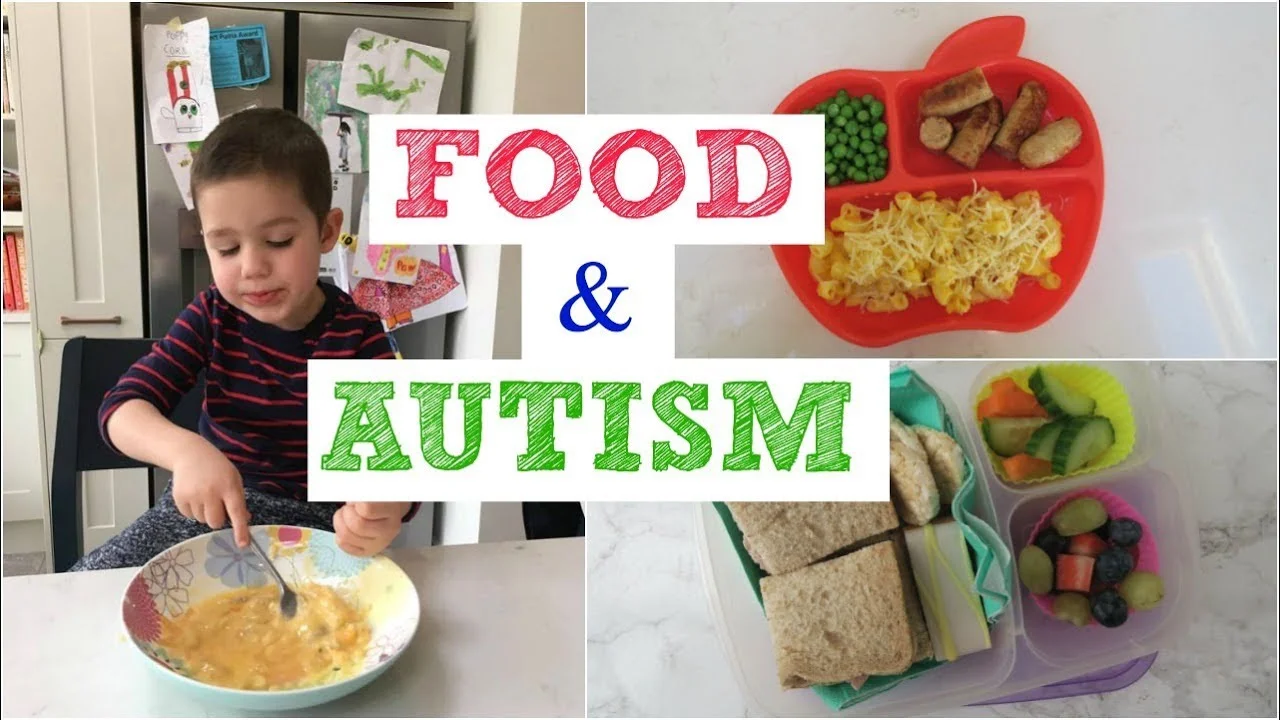
April is Autism and Disability Awareness Month, a time to deepen our understanding of how we can support children with unique abilities. One important and often overlooked topic is food and nutrition, particularly how food affects brain development and behavior in children with autism.
Many children on the autism spectrum experience food sensitivities, sensory challenges, and restricted eating habits. Understanding this can help parents introduce foods in a way that supports both nutrition and emotional comfort.
Why Nutrition Matters for Brain Development
The brain needs consistent nutrients to function well. Certain foods support:
• focus and attention
• emotional regulation
• cognitive development
• energy levels
• healthy sleep patterns
For children with autism, nutrition can sometimes influence sensory regulation and behavior, which is why thoughtful food introduction becomes important.
Foods that commonly support brain health include:
• foods rich in Omega-3 fatty acids (such as fish, flax seeds)
• protein sources that stabilize energy levels
• fruits and vegetables rich in antioxidants
• whole grains that support steady blood sugar
Parents should always consult their pediatrician or nutrition professional when making dietary changes.
Understanding Food Sensitivities in Autism
Many children with autism experience sensory sensitivities that affect eating.
These sensitivities may include:
• texture (soft, crunchy, mixed foods)
• smell
• color
• temperature
• appearance of food on the plate
For example, a child may only eat foods that are one specific color or texture. This is not stubborn; it is often a sensory processing difference.
Some children may also have digestive sensitivities, which can make certain foods uncomfortable to eat.
Understanding these sensitivities helps parents approach meals with patience and strategy rather than pressure.
Strategies to Introduce New Foods
1. Start Small
Introduce very small portions of a new food next to a familiar favorite food. The goal at first is exposure, not consumption.
2. Use Visual Exposure
Let the child see, touch, and explore the food before expecting them to eat it.
3. Respect Texture Preferences
If a child prefers crunchy foods, begin with new foods that are also crunchy.
4. Model the Behavior
Children learn through observation. When parents eat the same foods calmly and happily, children often become more curious.
5. Keep a Predictable Routine
Serving meals at consistent times helps children feel safe and reduces anxiety around food.
A Gentle Reminder for Parents
Parents of children with autism are often navigating many therapies and appointments. Mealtime should not become another stressful task.
Progress may be slow, and that is completely acceptable.
Supporting children with autism means recognizing their unique sensory experiences and developmental needs.
Food can be more than nutrition. It can become a tool for brain development, comfort, and growth when introduced thoughtfully.
During Autism and Disability Awareness Month, let us continue learning ways to support children with compassion, patience, and understanding.
Miriam CARLOTA Arthur-Sullivan
Founder & Preschool Director
NieCat Blessings Academy
A Preschool & Therapeutic Center
for Children with Unique Abilities
Office: (833) 230–9366


