Tag Archives: autism

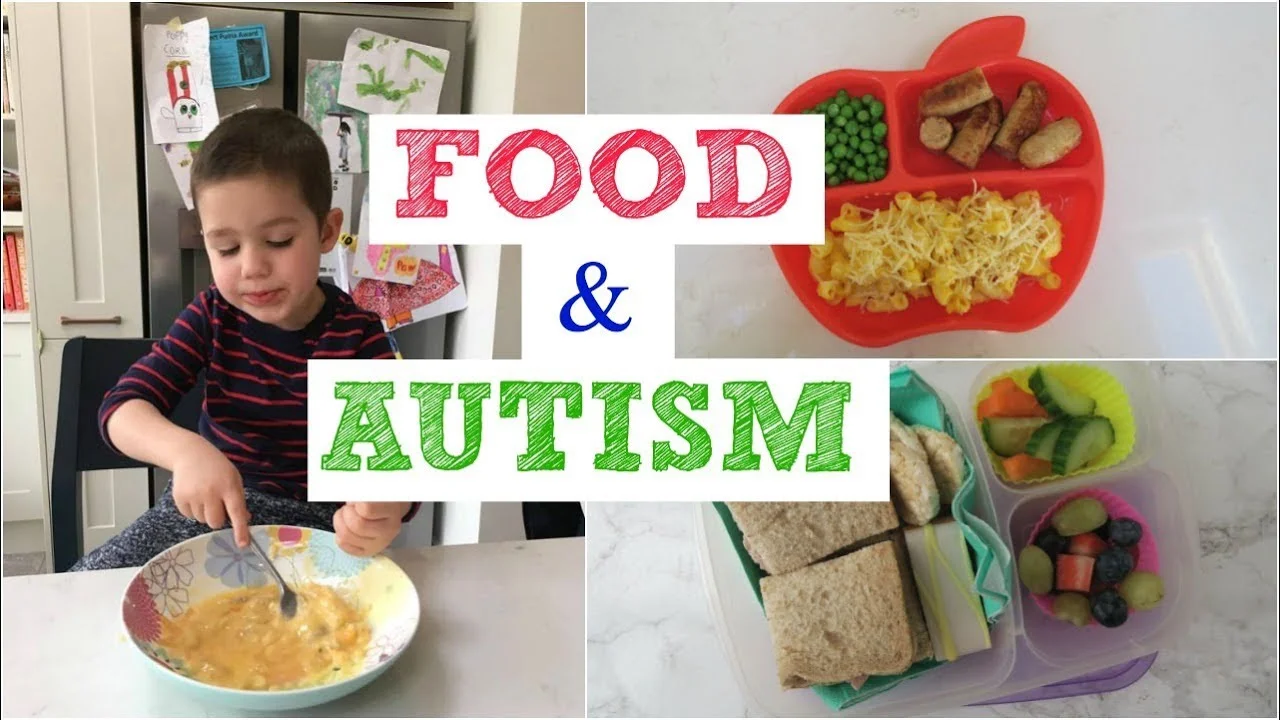
Small Steps, Big Gains: Introducing Foods for Autism-Friendly Brain Health

April is Autism and Disability Awareness Month, a time to deepen our understanding of how we can support children with unique abilities. One important and often overlooked topic is food and nutrition, particularly how food affects brain development and behavior in children with autism.

Many children on the autism spectrum experience food sensitivities, sensory challenges, and restricted eating habits. Understanding this can help parents introduce foods in a way that supports both nutrition and emotional comfort.

Why Nutrition Matters for Brain Development

The brain needs consistent nutrients to function well. Certain foods support:

• focus and attention
• emotional regulation
• cognitive development
• energy levels
• healthy sleep patterns

For children with autism, nutrition can sometimes influence sensory regulation and behavior, which is why thoughtful food introduction becomes important.

Foods that commonly support brain health include:

• foods rich in Omega-3 fatty acids (such as fish, flax seeds)
• protein sources that stabilize energy levels
• fruits and vegetables rich in antioxidants
• whole grains that support steady blood sugar

Parents should always consult their pediatrician or nutrition professional when making dietary changes.

Understanding Food Sensitivities in Autism

Many children with autism experience sensory sensitivities that affect eating.

These sensitivities may include:

• texture (soft, crunchy, mixed foods)
• smell
• color
• temperature
• appearance of food on the plate

For example, a child may only eat foods that are one specific color or texture. This is not stubborn; it is often a sensory processing difference.

Some children may also have digestive sensitivities, which can make certain foods uncomfortable to eat.

Understanding these sensitivities helps parents approach meals with patience and strategy rather than pressure.

Strategies to Introduce New Foods

1. Start Small

Introduce very small portions of a new food next to a familiar favorite food. The goal at first is exposure, not consumption.

2. Use Visual Exposure

Let the child see, touch, and explore the food before expecting them to eat it.

3. Respect Texture Preferences

If a child prefers crunchy foods, begin with new foods that are also crunchy.

4. Model the Behavior

Children learn through observation. When parents eat the same foods calmly and happily, children often become more curious.

5. Keep a Predictable Routine

Serving meals at consistent times helps children feel safe and reduces anxiety around food.

A Gentle Reminder for Parents

Parents of children with autism are often navigating many therapies and appointments. Mealtime should not become another stressful task.

Progress may be slow, and that is completely acceptable.

Supporting children with autism means recognizing their unique sensory experiences and developmental needs.

Food can be more than nutrition. It can become a tool for brain development, comfort, and growth when introduced thoughtfully.

During Autism and Disability Awareness Month, let us continue learning ways to support children with compassion, patience, and understanding.

Miriam CARLOTA Arthur-Sullivan

Founder & Preschool Director

NieCat Blessings Academy

A Preschool & Therapeutic Center

for Children with Unique Abilities 

www.niecat@niecatnfe.org

Office: (833) 230–9366

www.niecatblessingsnfe.org

Caring for Your 3- and 4-Year-Old with Special Needs: A Parent’s Guide to Early Intervention Therapies

Caring for Your 3- and 4-Year-Old with Special Needs: A Parent’s Guide to Early Intervention Therapies
Parenting a child with special needs is a journey filled with love, learning, and advocacy. At ages 3 and 4, your child is in a crucial developmental stage where early interventions can significantly impact their growth and independence. Providing the right support, especially through speech therapy, occupational therapy, and physical therapy, helps build essential skills for their future.
This blog will explore how parents can best care for their children and make the most of these therapies.

Understanding Your Child’s Unique Needs
Every child with special needs develops at their own pace. Recognizing their strengths and challenges allows you to provide targeted support. At this stage, children are learning to communicate, develop motor skills, and interact with the world around them. The key is early intervention, as these formative years lay the foundation for lifelong learning.


Building a Strong Support Team
Connect with a pediatrician and request developmental screenings.
Work with therapists who specialize in speech, occupational, and physical therapy.
Seek parent support groups to share experiences and gain insights.

Speech Therapy: Encouraging Communication and Expression
Many children with special needs experience delays in speech and language development. Speech therapy helps children improve their ability to express themselves, understand others, and engage in conversations.

How Parents Can Help at Home:
Use Visual Aids: Picture cards, books, and sign language can reinforce communication.
Encourage Imitation: Repeating sounds, words, and gestures can build language skills.
Speak Clearly and Slowly: Use simple sentences and allow your child time to respond.
Turn Everyday Moments into Learning Opportunities: Describe activities like brushing teeth or playing to help with word association.
When to Seek Speech Therapy?
If your child struggles to form words or sentences.
If they have difficulty understanding or following instructions.
If they rely more on gestures than verbal communication.
Occupational Therapy: Enhancing Daily Life Skills

Occupational therapy (OT) helps children develop fine motor skills, sensory processing abilities, and self-care routines. This therapy is crucial for children who have trouble with coordination, using their hands, or processing sensory information.
How Parents Can Help at Home:
Fine Motor Activities: Play with building blocks, puzzles, and coloring to strengthen hand muscles.
Encourage Independence: Teach simple tasks like buttoning clothes, using utensils, or brushing teeth.
Provide Sensory Play: Sand, water, and textured toys help children explore and regulate sensory input.
Use Adaptive Tools: Special grips for pencils, weighted blankets, and noise-canceling headphones can support their needs.
When to Seek Occupational Therapy?
If your child struggles with grasping objects, writing, or using utensils.
If they have challenges with self-care tasks like dressing or feeding.
If they are sensitive to textures, sounds, or movement.

Physical Therapy: Developing Strength and Coordination
Physical therapy (PT) focuses on gross motor skills, balance, and coordination. This therapy is beneficial for children who have difficulty walking, running, or maintaining posture.
How Parents Can Help at Home:
Encourage Movement: Play games that involve running, jumping, or climbing to build strength.
Use Simple Exercises: Stretching, crawling, and balance activities can improve coordination.
Make Therapy Fun: Turn exercises into a game, like hopping on one foot or navigating obstacle courses.
Provide Supportive Footwear: Proper shoes and ankle braces (if needed) can enhance mobility.
When to Seek Physical Therapy?
If your child has difficulty walking, standing, or maintaining balance.
If they avoid activities that require movement, like running or jumping.
If they frequently trip, fall, or have a weak core.
Creating a Structured and Nurturing Environment
Your home is the best place for learning and development. Providing consistent routines, positive reinforcement, and an encouraging atmosphere helps children thrive.
Daily Routine Tips:
Keep a visual schedule to help your child understand what’s next.
Use positive reinforcement to encourage progress.
Allow for breaks to prevent sensory overload.
Ensure they get enough sleep and nutritious food for overall well-being.
Advocating for Your Child
As a parent, you are your child’s biggest advocate. Stay informed about their rights to early intervention services, special education programs, and community resources. Don’t hesitate to ask for help and build a support network of professionals and other parents who understand your journey.
Conclusion: You Are Not Alone
Caring for a 3- or 4-year-old with special needs is both rewarding and challenging. With speech, occupational, and physical therapies, your child can develop the skills they need to communicate, play, and navigate their world with confidence. Your LOVE, Patience, and Dedication make all the difference in their Growth.
NieCat Blessings Academy is here to support you. If you need guidance or resources, reach out to us! We are in this journey together!

WHAT IS NIECAT BLESSINGS ACADEMY?
NieCat Blessings Academy is a preschool and therapeutic center “EXCLUSIVELY” for three to five-year-olds with special needs. If you need more information, please click on the QR code below:

Miriam CARLOTA Sullivan
Founder/Director
NieCat Blessings Academy
http://www.niecatblessingsnfe.org
(833) 230– 9366 (office)
(305) 761 – 5135 (Cell)

SpecialNeedsParenting #UniqueAbilities #NieCatBlessingsAcademy #ParentEducation #EarlyIntervention #threeyearsold #fouryearsold #miamigardens #hialeah #westhialeah